


Celebrating 2026 NAIDOC Week in our centres
With the 2026 National NAIDOC Week theme being "50 Years of Deadly," we are celebrating a massive milestone—five decades of honoring the excellence, power, and inspiring contributions of First Nations peoples.
Here is a guide to the history of NAIDOC, the meaning behind its foundational symbols, and how we can meaningfully integrate these concepts into our daily practice on Noongar Country and beyond.
The True Roots of NAIDOC: From Protest to Celebration
NAIDOC stands for National Aborigines and Islanders Day Observance Committee. Its roots don't actually begin as a celebration, but as a profound civil rights movement.
- 1938: On Australia Day, Aboriginal activists led the Day of Mourning, one of the world's first major civil rights gatherings, protesting the loss of land and culture.
- 1955: The day was moved to the first Sunday in July to shift the focus toward celebrating the oldest continuous living culture on Earth.
- 1975: The observance expanded from a single day to a full week.
- 1991: The committee formally expanded to explicitly include and recognize Torres Strait Islander peoples and cultures, forming the NAIDOC we know today.
Educator Insight: Sharing this context with young children doesn't have to be heavy. We can frame it through the concept of fairness—a value children understand deeply. “A long time ago, things weren't fair for First Nations people. So, they stood together to make sure their voices were heard, and today we celebrate how amazing and strong their culture is.”
Integrating Authentic Insights into Your Educational Practice
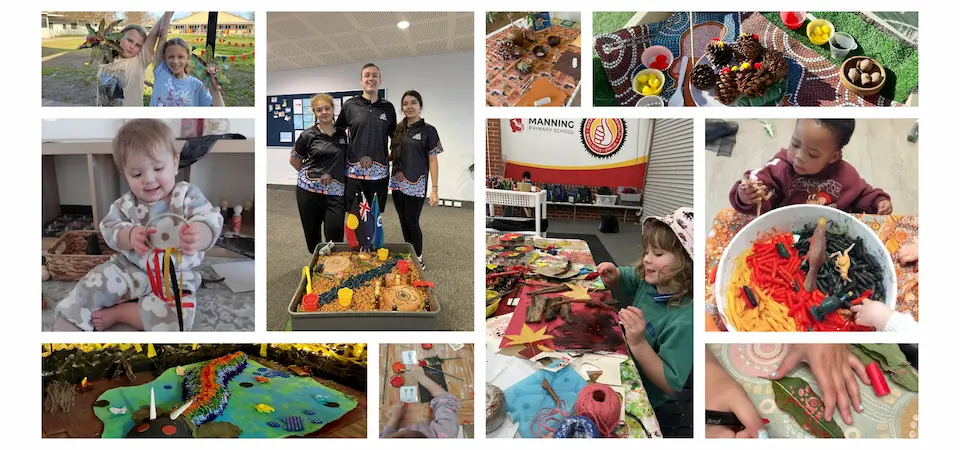
When we design learning environments inspired by the Reggio Emilia philosophy, we often talk about the environment as the "Third Teacher." During NAIDOC Week, we can invite the natural textures and symbols of Country into our spaces to spark organic, child-led inquiry.
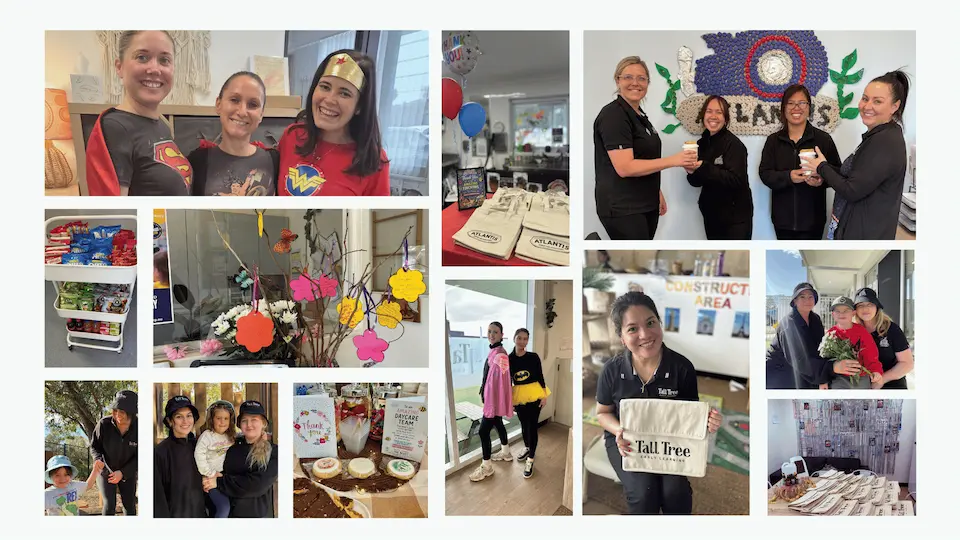
Each of our centres has engaged in various activities throughout the week. Follow each service as they share the journey....
NAIDOC Week is a beautiful window of celebration, but true reconciliation and inclusion happen in the quiet, intentional moments across all 52 weeks of the year—through daily Acknowledgements of Country, embedded language, and authentic community partnerships.

.jpg)
